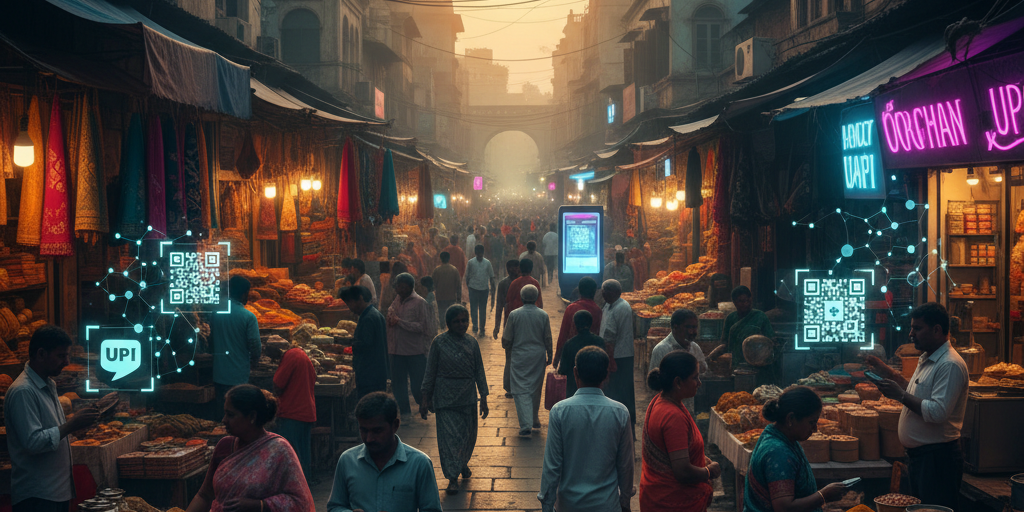
India's FinTech sector is exploding, reshaping how digital payments work. This article explores the key technologies fueling this revolution, from UPI to blockchain, and what it means for the future of finance in India.
India's FinTech landscape is undergoing a seismic shift, fueled by increasing internet penetration, a young and tech-savvy population, and supportive government policies. This confluence of factors has created fertile ground for innovation in digital payments, lending, insurance, and wealth management. At the heart of this revolution lies technology, enabling faster, cheaper, and more accessible financial services for millions of Indians.
From the ubiquitous Unified Payments Interface (UPI) to the emerging applications of blockchain, technology is reshaping the very fabric of India's financial ecosystem. This article delves into the key technological drivers behind the India FinTech boom, exploring their impact on digital payments and the broader implications for the future of finance in the country. We'll examine the challenges and opportunities that lie ahead as India continues its journey towards a cashless economy.
700M+
Internet Users
60%+
UPI Transaction Growth (YoY)
3rd
Largest FinTech Market Globally
Why this matters
Faster, cheaper transactions drive economic growth and financial inclusion.
Open APIs and platforms encourage innovation and competition.
Enhanced security protocols build trust in digital payments.
Upskilling and education are crucial for workforce readiness in the FinTech sector.
The Rise of UPI: A Game Changer for India's FinTech Boom
The Unified Payments Interface (UPI) has emerged as a cornerstone of India's digital payments revolution. Developed by the National Payments Corporation of India (NPCI), UPI enables real-time fund transfers between bank accounts using a single mobile app. Its simplicity, interoperability, and low transaction costs have made it incredibly popular among consumers and merchants alike. UPI is a key enabler of the India FinTech boom.
How UPI Works: Simplicity at its Core
UPI works by creating a virtual payment address (VPA), also known as a UPI ID, which is linked to a user's bank account. Users can then initiate and receive payments using their VPA, without having to share sensitive bank details. This streamlined process has significantly reduced friction in digital transactions, making them faster, easier, and more secure.
- Instant fund transfers: UPI enables real-time payments, 24/7, including weekends and holidays.
- Simplified transactions: Users can make payments by simply entering their UPI PIN, eliminating the need for OTPs or other authentication methods.
- Interoperability: UPI works across different banks and payment apps, providing a seamless user experience.
- Low transaction costs: UPI transactions are typically free or have very low fees, making it an attractive option for both consumers and merchants.
Mobile Wallets: Convenience and Accessibility
Mobile wallets, such as Paytm, PhonePe, and MobiKwik, have also played a significant role in driving the adoption of digital payments in India. These apps allow users to store money in a virtual wallet and make payments online and offline. Mobile wallets offer convenience and accessibility, particularly for users who may not have access to traditional banking services.
The Advantages of Mobile Wallets
- Easy to use: Mobile wallets are designed with a user-friendly interface, making them accessible to a wide range of users.
- Convenient payments: Users can make payments with just a few taps on their smartphone.
- Offline functionality: Some mobile wallets offer offline payment options, allowing users to transact even without an internet connection.
- Rewards and cashback: Many mobile wallets offer rewards, cashback, and other incentives to encourage usage.
While UPI has gained significant traction, mobile wallets continue to be popular, especially for smaller transactions and specific use cases. The competition between UPI and mobile wallets has ultimately benefited consumers, driving innovation and improving the overall digital payments experience.
Blockchain's Potential in India's FinTech Sector
Blockchain technology, with its inherent security and transparency, holds immense potential for transforming various aspects of India's FinTech sector. While still in its early stages of adoption, blockchain is being explored for applications ranging from secure digital identity management to efficient cross-border payments.
Use Cases for Blockchain in FinTech
- Secure Digital Identity: Blockchain can be used to create a tamper-proof digital identity system, reducing fraud and improving KYC (Know Your Customer) processes.
- Cross-Border Payments: Blockchain can facilitate faster and cheaper cross-border payments, eliminating intermediaries and reducing transaction costs.
- Supply Chain Finance: Blockchain can be used to track and trace goods throughout the supply chain, improving transparency and reducing the risk of fraud.
- Trade Finance: Blockchain can streamline trade finance processes, reducing paperwork and improving efficiency.
Blockchain promises to revolutionize trust and security in financial transactions, paving the way for a more transparent and efficient financial ecosystem in India.
The Role of AI and Machine Learning
Artificial intelligence (AI) and machine learning (ML) are playing an increasingly important role in India's FinTech sector. These technologies are being used to enhance fraud detection, personalize financial services, and improve customer experience. AI-powered chatbots, for example, are providing instant customer support, while ML algorithms are being used to assess credit risk more accurately.
AI-Powered FinTech Solutions
- Fraud Detection: AI and ML algorithms can analyze transaction data in real-time to identify and prevent fraudulent activities.
- Personalized Financial Advice: AI-powered robo-advisors can provide personalized investment advice based on individual financial goals and risk tolerance.
- Credit Scoring: ML algorithms can analyze a wider range of data points to assess credit risk more accurately, enabling lenders to make more informed decisions.
- Customer Service: AI-powered chatbots can provide instant customer support, resolving queries and improving customer satisfaction.
Challenges and Opportunities in India's FinTech Boom
While India's FinTech sector is experiencing rapid growth, it also faces several challenges. These include regulatory uncertainty, cybersecurity threats, and the need to bridge the digital divide. However, these challenges also present opportunities for innovation and growth.
Addressing the Challenges
- Clear Regulatory Framework: Establishing a clear and supportive regulatory framework is crucial for fostering innovation and attracting investment.
- Cybersecurity Measures: Implementing robust cybersecurity measures is essential to protect sensitive financial data and build trust in digital payments.
- Digital Literacy: Increasing digital literacy and awareness is necessary to bridge the digital divide and ensure that everyone can participate in the digital economy.
The India FinTech boom is not just about technology; it's about empowering individuals and businesses with access to better financial services. By addressing the challenges and capitalizing on the opportunities, India can solidify its position as a global leader in FinTech innovation.
The future of finance in India is digital, inclusive, and powered by technology. The India FinTech boom is just the beginning.
The Future of Digital Payments in India
The future of digital payments in India looks bright, with continued innovation and growth expected in the coming years. As technology evolves and new players enter the market, we can expect to see even more convenient, secure, and accessible payment solutions emerge. The India FinTech boom is a testament to the country's entrepreneurial spirit and its commitment to building a digital economy.
Looking Ahead
Continued innovation in payment technologies.
Greater integration of digital payments with other financial services.
Increased adoption of digital payments in rural areas.
Growth in cross-border digital payments.
New business models enabled by digital payments.